Sleep and Recovery After Training: Secrets for Maximum Efficiency for Swimmers
Stanislav Pozdeev
Professional swimming coach with over 10 years of experience. Helping swimmers reach new heights.
More about the authorIn sports, especially swimming, training is only part of the success. Equally important is quality recovery, based on healthy and full sleep. Proper sleep helps the body recover, build strength, and improve technique. In this article, we explore why sleep is so important and how to make recovery as effective as possible.
Why Recovery Is As Important As Training
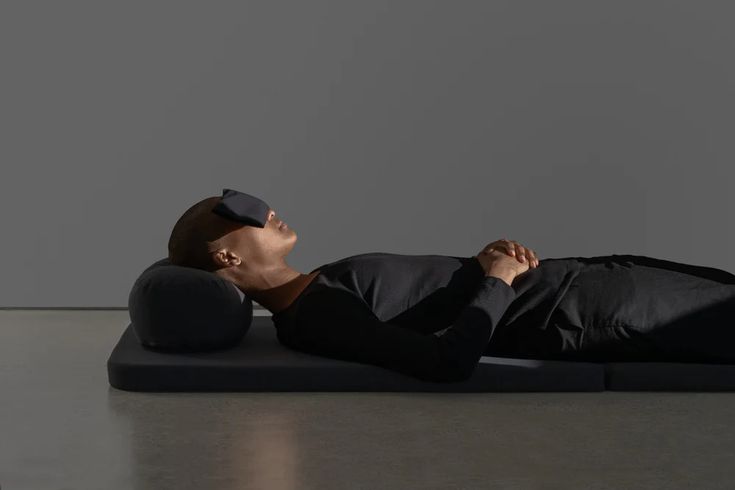
Training creates stress on muscles, the nervous system, and the body's internal resources. Without full rest, the body cannot repair damaged muscle fibers or replenish energy stores. This leads to fatigue, decreased performance, and increased injury risk. Sleep is a key element during which tissue regeneration, growth hormone production, and nervous system recovery occur.
What Happens to the Body During Sleep
Sleep consists of several phases: light, deep, and REM. Deep sleep is responsible for restoring physical strength and tissue regeneration, while REM sleep processes information and consolidates motor skills, which is especially important for swimmers working on technique.
During sleep, heart rate slows down, blood pressure decreases, and the immune system activates. This allows the body to fully recover and prepare for new loads.
How to Organize a Swimmer’s Sleep Routine Correctly
The optimal sleep duration for adult athletes is 7–9 hours. It is important to go to bed and wake up at the same time every day, even on weekends. This helps stabilize biorhythms and improve sleep quality.
Tips for improving sleep:
- Avoid screens (phone, tablet, computer) an hour before sleep.
- Create a comfortable, quiet, and dark atmosphere in the bedroom.
- Avoid caffeine and heavy food in the evening.
- Light stretching or breathing exercises before sleep can be helpful.
Recovery Methods After Training
Besides sleep, other recovery methods are important:
- Stretching and muscle relaxation: helps reduce muscle tension and improve flexibility.
- Nutrition and hydration: replenishing energy and electrolytes speeds up recovery. Including proteins, carbohydrates, and healthy fats is essential.
- Massage and physiotherapy: improve blood circulation and relieve muscle tightness.
How to Avoid Overtraining and Fatigue
Signs of overtraining:
- Constant fatigue and decreased motivation.
- Muscle pain that does not go away after rest.
- Decline in athletic performance.
- Sleep problems and lack of concentration.
To avoid this, schedule regular rest days and use active recovery—light workouts, walks, or easy swimming.
Conclusion: Sleep and Recovery Are Your Best Allies in Sports
Quality sleep and proper recovery are the foundation of progress in swimming. Without them, even the most intense training will not bring the desired results. Take care of your routine, listen to your body, and use a comprehensive approach—and success will not be long in coming!
Frequently Asked Questions (FAQ)
How many hours of sleep does an athlete need?
7–9 hours of sleep is recommended for full recovery and progress.
Can lack of sleep be compensated with training?
No, sleep cannot be fully compensated by training—it is indispensable for recovery.
Article Microdata
Related Links
- Preparation for Start: Nutrition, Sleep, and Recovery
- Nutrition and Recovery for Athletes
- Individual Dryland Training
*If you enjoyed the article, subscribe to VIP Training and get full access to exclusive materials.*