How to Avoid Swimming Injuries: Prevention and Recovery
Stanislav Pozdeev
An experienced swimming coach with over 10 years of practice. Helps swimmers train without injuries and reach their full potential.
More about the authorInjuries are one of the main challenges swimmers face at any level. However, proper prevention and smart recovery can help you avoid serious issues and stay healthy. In this article, we’ll explain how to minimize injury risks and speed up rehabilitation.
Main Causes of Injuries in Swimming
Most injuries occur due to overload, incorrect technique, insufficient warm-up, and poor recovery habits. Common issues include shoulder, back, and knee pain.
Preventive Measures to Avoid Injuries
1. Warm-up and Cool-down
Always start your workout with a proper warm-up that includes dynamic movements to prepare your muscles and joints. After swimming, don’t skip the cool-down — easy swimming and stretching.
2. Correct Swimming Technique
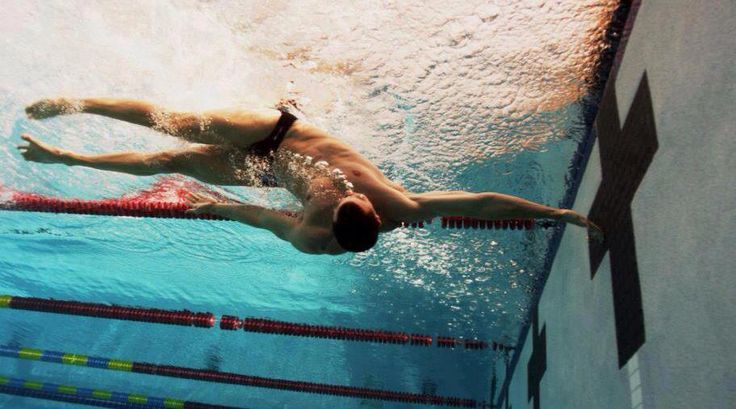
Technical mistakes increase the load on joints and muscles, which may lead to injuries. Regular video analysis and working with a coach will help fix errors and swim safely.
3. Strengthening Muscles
A strong muscle core protects your joints and reduces the risk of injuries. Include strength exercises on land, especially for the shoulders, back, and core.
4. Balanced Training and Rest
Do not overload your body — intense training must be combined with periods of rest and recovery. This helps prevent chronic injuries and fatigue.
Recovery After Injuries
If pain or injury appears, immediately reduce training intensity and consult a specialist. Use physiotherapy, massage, and light exercises to gradually return to full training.
Useful Tips for Swimmer Health
- Monitor your posture and body alignment while swimming.
- Use high-quality gear and proper equipment.
- Have regular medical checkups.
- Listen to your body and never ignore pain.
Conclusion
Injury prevention is the key to a long and successful sports career. Follow the recommendations on warm-ups, technique, strength training, and recovery to swim effectively and safely.
Frequently Asked Questions (FAQ)
What should I do if shoulder pain appears during swimming?
Reduce intensity, warm up properly, and consult a specialist for diagnosis.
Can I train with mild injuries?
It depends on the injury — always consult a doctor and your coach.
Article Structured Data (Schema)
Related Articles
- Strengthening Muscles for Swimming
- Race Preparation: Nutrition, Sleep, and Recovery
- Paris 2024 Games
*If you enjoyed this article, subscribe to VIP training and get full access to exclusive materials.*